Buy logisch.be ?
We are moving the project
logisch.be .
Are you interested in purchasing the domain
logisch.be ?
domain@kv-gmbh.de · 0541-91531010
Buy logisch.be ?
Can you provide a clearer explanation for Kant's a priori and a posteriori?
Certainly! In philosophy, a priori knowledge is knowledge that is independent of experience, meaning it can be known to be true without needing to be verified through observation or experimentation. A posteriori knowledge, on the other hand, is knowledge that is derived from experience or empirical evidence. Kant argued that a priori knowledge is based on innate concepts and principles that are necessary for understanding the world, while a posteriori knowledge is contingent on sensory experience. **
Can someone explain to me what exactly a priori and a posteriori are?
A priori and a posteriori are terms used in philosophy to categorize types of knowledge. A priori knowledge is knowledge that is independent of experience, meaning it can be known to be true or false without needing to be verified through observation or experimentation. A posteriori knowledge, on the other hand, is knowledge that is derived from experience, observation, or empirical evidence. In simpler terms, a priori knowledge is based on reason and logic, while a posteriori knowledge is based on sensory perception and empirical evidence. **

Similar search terms for A posteriori
Top-Angebote
Products related to A posteriori:
-
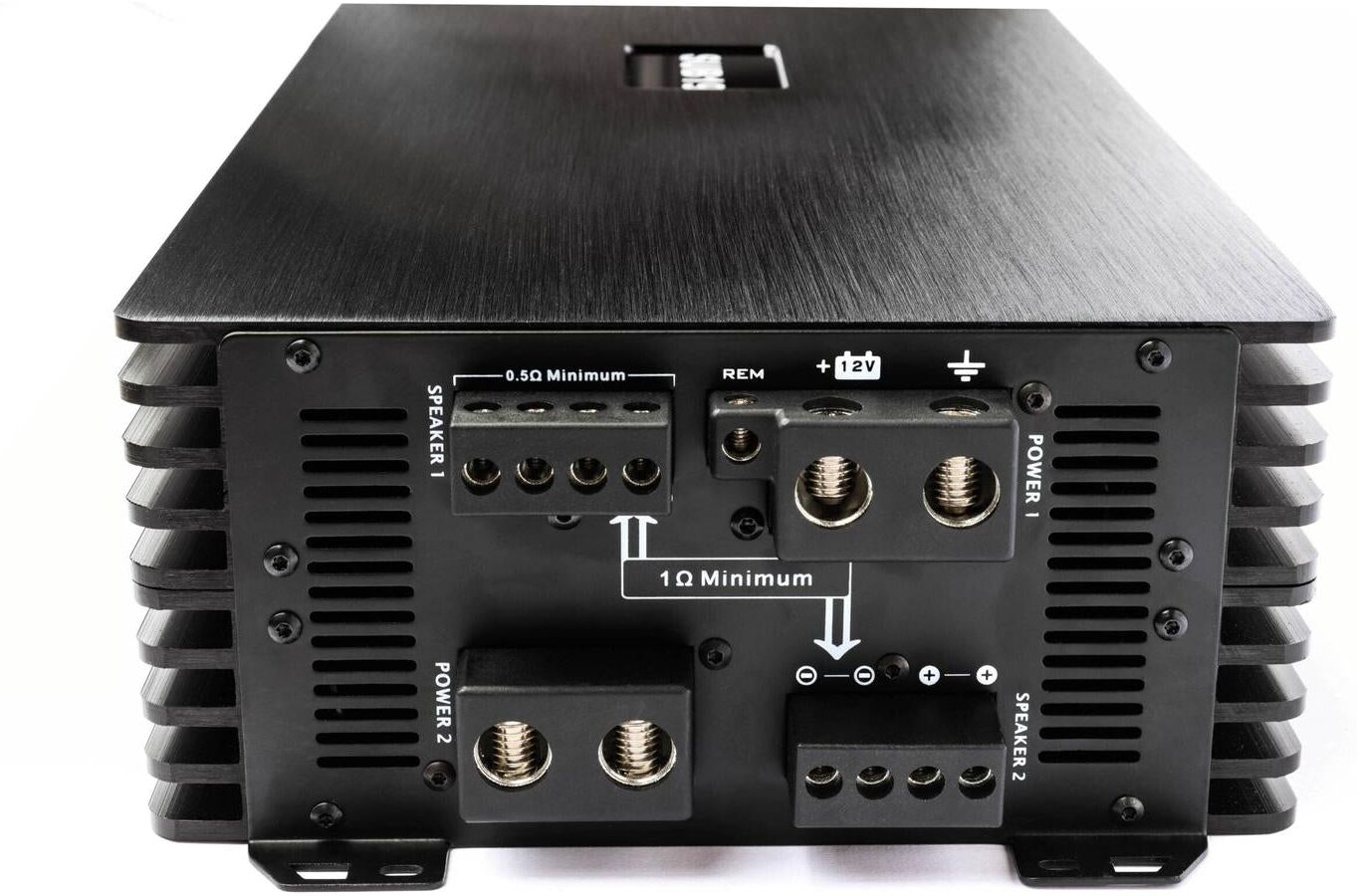
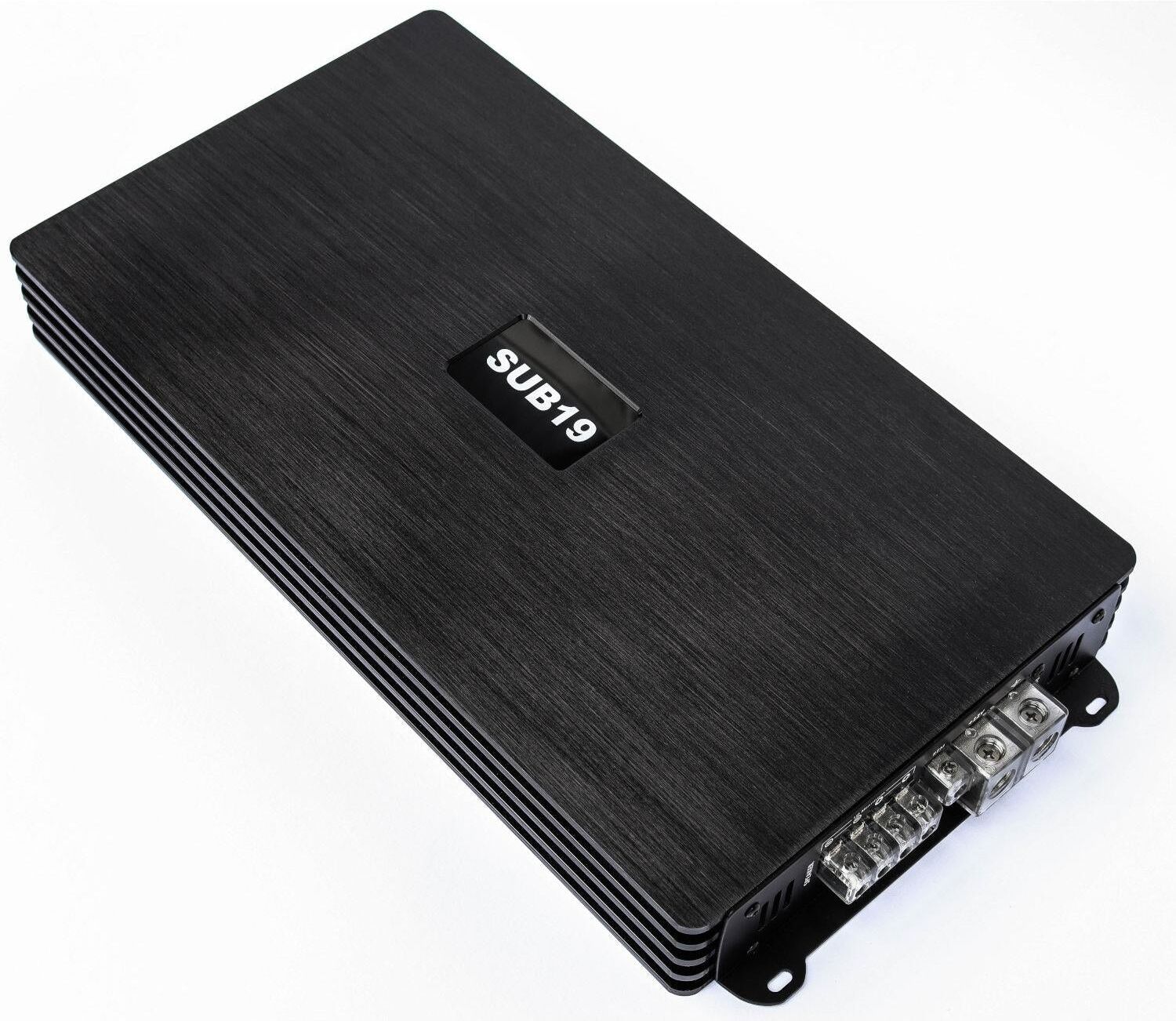
SUB19 SN A 1.8The SN A 1.8 from SUB19 is a 1-Channel Amplifier with a minimum impedance of 1 Ohm. The device is housed in a brushed black aluminum case and has dimensions of 228 mm x 53 mm x 393 mm. The RMS power reaches up to 1800 Watts at 1 Ohm with 1 percent THD+N and 14.4 Volts. Technical features include a continuously adjustable bass boost between 30 Hz and 80 Hz as well as an adjustable quality factor. A switchable clip limiter and a clipping indicator are integrated into the system. The frequency response covers the range from 18 Hz to 175 Hz. Features 1-Channel Amplifier Brushed black aluminum case Power: 2000 Watts RMS at 1 Ohm (5 percent THD+N, 14.4 V) Power: 1800 Watts RMS at 1 Ohm (1 percent THD+N, 14.4 V) Power: 1350 Watts RMS at 2 Ohm (5 percent THD+N, 14.4 V) Power: 1160 Watts RMS at 2 Ohm (1 percent THD+N, 14.4 V) Power: 780 Watts RMS at 4 Ohm (5 percent THD+N, 14.4 V) Power: 660 Watts RMS at 4 Ohm (1 percent THD+N, 14.4 V) Dimensions: 228 mm x 53 mm x 393 mm Clipping indicator and switchable clip limiter Continuously adjustable level and mid-frequency settings Technical Specifications Frequency response: 18 Hz – 175 Hz (-1 dB) Low-pass filter: 35 Hz – 225 Hz (24 dB/Octave) High-pass filter: 14 Hz – 60 Hz (24 dB/Octave) Bass boost: 30 Hz – 80 Hz (0 dB to 12 dB gain) Efficiency at 4 Ohm: 89.6 percent (THD+N = 1 percent) Input sensitivity: 0.2 V – 5 V Signal-to-noise ratio: greater than 75 dB THD+N: 0.165 percent at 375 W at 4 Ohm Operating voltage: 8.6 V – 16.2 V361,49 €*Shipping: 0,00 €Secure redirect to the provider
-
TAPE A L'OEIL CasquetteDétails produit • Imprimé floral • Broderie sur le devant • Patte de réglage à l'arrière Composition et Entretien • 100% coton • Pour l'entretien, merci de vous référer aux indications figurant sur l'étiquette du produit6,99 €*Shipping: 3,99 €Secure redirect to the provider



-
Can you give a more vivid explanation for Kant's a priori and a posteriori?
Certainly! A priori knowledge refers to knowledge that is independent of experience, meaning it is based on reason and logic alone. This type of knowledge is universal and necessary, such as mathematical truths or the laws of logic. On the other hand, a posteriori knowledge is derived from experience and empirical evidence. This type of knowledge is contingent and particular, as it is based on observations and sensory perceptions. In essence, a priori knowledge is innate and known prior to experience, while a posteriori knowledge is acquired through experience. **
-
What is logical reasoning?
Logical reasoning is the process of using rational thinking and evidence to come to a conclusion or make a decision. It involves analyzing information, identifying patterns, and drawing valid inferences based on the available facts. Logical reasoning helps individuals to think critically, solve problems, and make sound judgments by following a systematic and coherent thought process. It is an essential skill in various fields such as mathematics, science, philosophy, and everyday decision-making. **
-
What is logical reasoning ability?
Logical reasoning ability refers to the capacity to think critically, analyze information, and draw valid conclusions based on evidence and facts. It involves the ability to identify patterns, make connections between ideas, and solve problems systematically. Individuals with strong logical reasoning skills can evaluate arguments, make sound decisions, and navigate complex situations effectively. This ability is essential in various aspects of life, including academics, professional settings, and everyday problem-solving. **
-
Is there a way to train one's logical and analytical thinking?
Yes, there are several ways to train logical and analytical thinking. Engaging in activities such as puzzles, brain teasers, and strategy games can help improve these skills. Additionally, practicing critical thinking by evaluating and analyzing information, as well as learning formal logic and reasoning, can also enhance logical and analytical thinking. Engaging in debates and discussions can also help to sharpen these skills by challenging one's ability to think critically and analytically. **


How can one promote analytical and logical thinking?
One can promote analytical and logical thinking by engaging in activities that require problem-solving and critical thinking, such as puzzles, riddles, and brain teasers. Encouraging discussions and debates on various topics can also help develop analytical thinking skills. Additionally, practicing mindfulness and meditation can help improve focus and attention, which are essential for logical thinking. Finally, seeking out opportunities to learn new skills and knowledge can also help stimulate the brain and promote analytical thinking. **
What is the task in reasoning and logical thinking?
The task in reasoning and logical thinking is to analyze information, make connections between different pieces of information, and draw conclusions based on evidence and sound reasoning. It involves identifying patterns, evaluating arguments, and making decisions based on logical principles. By using critical thinking skills, individuals can effectively solve problems, make informed decisions, and communicate their ideas clearly and persuasively. **
Top-Angebote
Products related to A posteriori:
-
SUB19 SN A 6.5The SN A 6.5 from SUB19 is a 1-Channel Class-D Amplifier with a minimum impedance of 1 Ohm. The RMS power reaches up to 7500 Watts at 1 Ohm considering 5 percent THD+N at 14.4 Volts. The housing is made of a solid aluminum extrusion with dimensions of 228 mm width, 104 mm height, and 502 mm length. The frequency range extends from 13 Hz to 225 Hz with a drop of 3 dB. Features include a low-pass filter from 35 Hz to 225 Hz and a high-pass filter from 14 Hz to 60 Hz, each with a slope of 24 dB per octave. An adjustable bass boost between 30 Hz and 80 Hz allows for a gain of 0 dB to 12 dB with an adjustable quality factor. The operating voltage ranges from 8.6 Volts to 16.2 Volts. Features 1-Channel Amplifier Class-D Technology Solid aluminum extrusion Width: 228 mm Height: 104 mm Length: 502 mm Low-pass filter: 35 Hz – 225 Hz (24 dB/octave) High-pass filter: 14 Hz – 60 Hz (24 dB/octave) Bass boost: 30 Hz – 80 Hz (0 dB to 12 dB) Adjustable quality factor for bass boost Technical Specifications Power: 7500 W RMS at 1 Ohm (5% THD+N, 14.4 V) Power: 7000 W RMS at 1 Ohm (2% THD+N, 14.4 V) Power: 4200 W RMS at 2 Ohm (5% THD+N, 14.4 V) Power: 3800 W RMS at 2 Ohm (2% THD+N, 14.4 V) Power: 2850 W RMS at 4 Ohm (5% THD+N, 14.4 V) Power: 2620 W RMS at 4 Ohm (2% THD+N, 14.4 V) Frequency response: 18 Hz – 175 Hz (-1 dB) Frequency response: 13 Hz – 225 Hz (-3 dB) Efficiency: 88 % at 4 Ohm (at THD+N = 1%) Input sensitivity: 0.2 V – 5 V Signal-to-noise ratio: > 75 dB THD+N: 0.48 % (at 250 W at 4 Ohm) Operating voltage: 8.6 V – 16.2 V1312,75 €*Shipping: 0,00 €Secure redirect to the provider
-
SUB19 SN A 0.8The SN A 0.8 from SUB19 is a 1-Channel Class-D Amplifier with a minimum impedance of 1 Ohm. The housing is made of solid, black brushed aluminum and features metal terminals as well as metal adjustment screws. The maximum power is 870 W RMS at 1 Ohm and 14.4 V. The equipment includes a continuously adjustable bass boost in the range of 30 Hz to 80 Hz with an amplification of up to 12 dB. The dimensions of the device are 228 mm x 53 mm x 280 mm. Features 1-Channel Amplifier Housing made of solid, black brushed aluminum Terminals and adjustment screws made of metal Power RMS 1 Ohm: 870 W (5% THD+N, 14.4 V) Power RMS 1 Ohm: 800 W (1% THD+N, 14.4 V) Power RMS 2 Ohm: 600 W (5% THD+N, 14.4 V) Power RMS 2 Ohm: 550 W (1% THD+N, 14.4 V) Power RMS 4 Ohm: 360 W (5% THD+N, 14.4 V) Power RMS 4 Ohm: 320 W (1% THD+N, 14.4 V) Width: 228 mm Height: 53 mm Length: 280 mm Technical Specifications Frequency response: 18 Hz – 175 Hz (-1 dB) Frequency response: 13 Hz – 225 Hz (-3 dB) Low-pass filter: 35 Hz – 225 Hz (24 dB/Octave) High-pass filter: 14 Hz – 60 Hz (24 dB/Octave) Bass boost: 30 Hz – 80 Hz (0 dB to 12 dB gain) Efficiency: 88 % (4 Ohm at THD+N = 1%) Input sensitivity: 0.2 V – 5 V Signal-to-noise ratio: greater than 75 dB THD+N: 0.17 % at 98 W at 4 Ohm Operating voltage: 8.6 V – 16.2 V162,18 €*Shipping: 0,00 €Secure redirect to the provider
-
SUB19 SN A 1.8The SN A 1.8 from SUB19 is a 1-Channel Amplifier with a minimum impedance of 1 Ohm. The device is housed in a brushed black aluminum case and has dimensions of 228 mm x 53 mm x 393 mm. The RMS power reaches up to 1800 Watts at 1 Ohm with 1 percent THD+N and 14.4 Volts. Technical features include a continuously adjustable bass boost between 30 Hz and 80 Hz as well as an adjustable quality factor. A switchable clip limiter and a clipping indicator are integrated into the system. The frequency response covers the range from 18 Hz to 175 Hz. Features 1-Channel Amplifier Brushed black aluminum case Power: 2000 Watts RMS at 1 Ohm (5 percent THD+N, 14.4 V) Power: 1800 Watts RMS at 1 Ohm (1 percent THD+N, 14.4 V) Power: 1350 Watts RMS at 2 Ohm (5 percent THD+N, 14.4 V) Power: 1160 Watts RMS at 2 Ohm (1 percent THD+N, 14.4 V) Power: 780 Watts RMS at 4 Ohm (5 percent THD+N, 14.4 V) Power: 660 Watts RMS at 4 Ohm (1 percent THD+N, 14.4 V) Dimensions: 228 mm x 53 mm x 393 mm Clipping indicator and switchable clip limiter Continuously adjustable level and mid-frequency settings Technical Specifications Frequency response: 18 Hz – 175 Hz (-1 dB) Low-pass filter: 35 Hz – 225 Hz (24 dB/Octave) High-pass filter: 14 Hz – 60 Hz (24 dB/Octave) Bass boost: 30 Hz – 80 Hz (0 dB to 12 dB gain) Efficiency at 4 Ohm: 89.6 percent (THD+N = 1 percent) Input sensitivity: 0.2 V – 5 V Signal-to-noise ratio: greater than 75 dB THD+N: 0.165 percent at 375 W at 4 Ohm Operating voltage: 8.6 V – 16.2 V361,49 €*Shipping: 0,00 €Secure redirect to the provider
-
Can you provide a clearer explanation for Kant's a priori and a posteriori?
Certainly! In philosophy, a priori knowledge is knowledge that is independent of experience, meaning it can be known to be true without needing to be verified through observation or experimentation. A posteriori knowledge, on the other hand, is knowledge that is derived from experience or empirical evidence. Kant argued that a priori knowledge is based on innate concepts and principles that are necessary for understanding the world, while a posteriori knowledge is contingent on sensory experience. **
-
Can someone explain to me what exactly a priori and a posteriori are?
A priori and a posteriori are terms used in philosophy to categorize types of knowledge. A priori knowledge is knowledge that is independent of experience, meaning it can be known to be true or false without needing to be verified through observation or experimentation. A posteriori knowledge, on the other hand, is knowledge that is derived from experience, observation, or empirical evidence. In simpler terms, a priori knowledge is based on reason and logic, while a posteriori knowledge is based on sensory perception and empirical evidence. **
-
Can you give a more vivid explanation for Kant's a priori and a posteriori?
Certainly! A priori knowledge refers to knowledge that is independent of experience, meaning it is based on reason and logic alone. This type of knowledge is universal and necessary, such as mathematical truths or the laws of logic. On the other hand, a posteriori knowledge is derived from experience and empirical evidence. This type of knowledge is contingent and particular, as it is based on observations and sensory perceptions. In essence, a priori knowledge is innate and known prior to experience, while a posteriori knowledge is acquired through experience. **
-
What is logical reasoning?
Logical reasoning is the process of using rational thinking and evidence to come to a conclusion or make a decision. It involves analyzing information, identifying patterns, and drawing valid inferences based on the available facts. Logical reasoning helps individuals to think critically, solve problems, and make sound judgments by following a systematic and coherent thought process. It is an essential skill in various fields such as mathematics, science, philosophy, and everyday decision-making. **
Similar search terms for A posteriori
-
TAPE A L'OEIL CasquetteDétails produit • Imprimé floral • Broderie sur le devant • Patte de réglage à l'arrière Composition et Entretien • 100% coton • Pour l'entretien, merci de vous référer aux indications figurant sur l'étiquette du produit6,99 €*Shipping: 3,99 €Secure redirect to the provider
-
What is logical reasoning ability?
Logical reasoning ability refers to the capacity to think critically, analyze information, and draw valid conclusions based on evidence and facts. It involves the ability to identify patterns, make connections between ideas, and solve problems systematically. Individuals with strong logical reasoning skills can evaluate arguments, make sound decisions, and navigate complex situations effectively. This ability is essential in various aspects of life, including academics, professional settings, and everyday problem-solving. **
-
Is there a way to train one's logical and analytical thinking?
Yes, there are several ways to train logical and analytical thinking. Engaging in activities such as puzzles, brain teasers, and strategy games can help improve these skills. Additionally, practicing critical thinking by evaluating and analyzing information, as well as learning formal logic and reasoning, can also enhance logical and analytical thinking. Engaging in debates and discussions can also help to sharpen these skills by challenging one's ability to think critically and analytically. **
-
How can one promote analytical and logical thinking?
One can promote analytical and logical thinking by engaging in activities that require problem-solving and critical thinking, such as puzzles, riddles, and brain teasers. Encouraging discussions and debates on various topics can also help develop analytical thinking skills. Additionally, practicing mindfulness and meditation can help improve focus and attention, which are essential for logical thinking. Finally, seeking out opportunities to learn new skills and knowledge can also help stimulate the brain and promote analytical thinking. **
-
What is the task in reasoning and logical thinking?
The task in reasoning and logical thinking is to analyze information, make connections between different pieces of information, and draw conclusions based on evidence and sound reasoning. It involves identifying patterns, evaluating arguments, and making decisions based on logical principles. By using critical thinking skills, individuals can effectively solve problems, make informed decisions, and communicate their ideas clearly and persuasively. **
* All prices are inclusive of VAT and, if applicable, plus shipping costs. The offer information is based on the details provided by the respective shop and is updated through automated processes. Real-time updates do not occur, so deviations can occur in individual cases. ** Note: Parts of this content were created by AI.